Three in four people worldwide cut essential spending to meet housing costs.
By Asal Reporter
Three in four people worldwide have cut back on essential spending in the past year to keep up with housing costs, new research shows, as the world marks World Habitat Day 2026 under the theme “Adequate Housing for All”.
The findings come from Habitat for Humanity International’s report, Home at What Cost?, based on nationally representative surveys of more than 30,000 people in 22 countries, including Côte d’Ivoire, Egypt, Ethiopia, Kenya, Nigeria and South Africa.
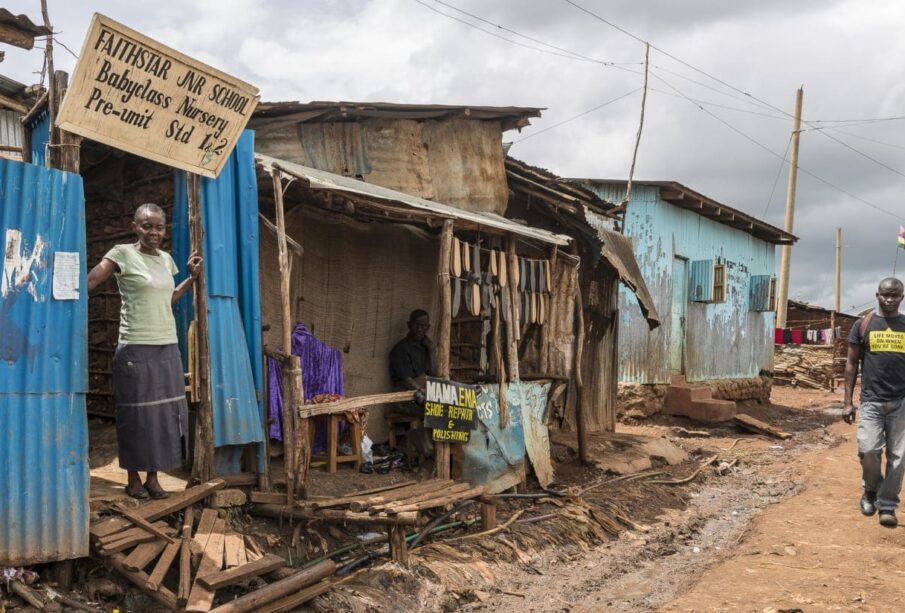
Across Africa, rapid urbanisation, widening housing deficits and rising climate risks are placing further pressure on households, especially low-income families. The research links unaffordable and inadequate housing to poorer health, education, equity and economic outcomes, and to narrower prospects for the next generation.
Globally, 75 per cent of respondents said they had reduced at least one essential expense in the past year to meet housing costs. Thirty per cent spent less on food or drew on emergency savings, and 13 per cent delayed or avoided medical care because of housing expenses.
“Across Africa, families are demonstrating incredible resilience, but no family should have to choose between paying for housing and paying for food, education or healthcare,” said Abi Riak, Area Vice President for Habitat for Humanity in Africa.
“Housing is more than shelter. It can be a foundation for health, economic opportunity, climate resilience and inclusive urban development. As African cities continue to grow, investing in decent and adequate housing must be recognised as a critical driver of sustainable development and shared prosperity,” she added.
The strain extends beyond immediate budgets. Fifty-eight per cent of parents said housing costs limit opportunities for their children.
The research also ties housing to climate risk. For many African communities already facing floods, droughts, extreme heat and other shocks, resilient housing is increasingly necessary to protect lives, livelihoods and assets.
Slightly more than 30 per cent of respondents globally expect extreme weather to make living conditions more difficult within three years, while 18 per cent said their homes do not adequately protect them from hazards such as flooding.
“On this World Habitat Day, we urge governments, development partners, financial institutions and the private sector to work together to expand access to decent, adequate and climate-resilient housing,” Riak said. “Every family deserves a home that supports their health, dignity and opportunity to thrive.”
The findings underline how housing connects to health, education, livelihoods, climate resilience, gender equality and economic growth. Investment in housing, the report argues, yields benefits well beyond shelter, helping to build stronger communities and more inclusive, sustainable cities.